Have you ever answered an unknown caller, realised you are talking to a telemarketer, and got off the phone as quickly as you could? If the answer is yes, it's probably because you know they are trying to sell you something — and you're not interested.
When there's a new service or product popping up every month (and an advert about it around every corner) people start feeling chased instead of inspired to buy.
While that's true, publicists still need to prove their worth and marketers need to see ROI. So, if audiences are tuning out direct sales messaging, how do you generate interest in a product or service without overtly selling it — and how can publicists apply that principle to their campaigns?
Well, maybe we should take a page out of ASICS's book of promotion. This Japanese shoe brand consistently delivers campaigns that resonate with their audience by taking part in the conversations people are already having in relation to their product, instead of leading with the product and trying to convince their audience to care about it.
ASICS have achieved this by consistently contributing to discussions around mental health, workplace wellness, burnout and the overwhelming pressure in the media industry to exercise with physical results in mind.
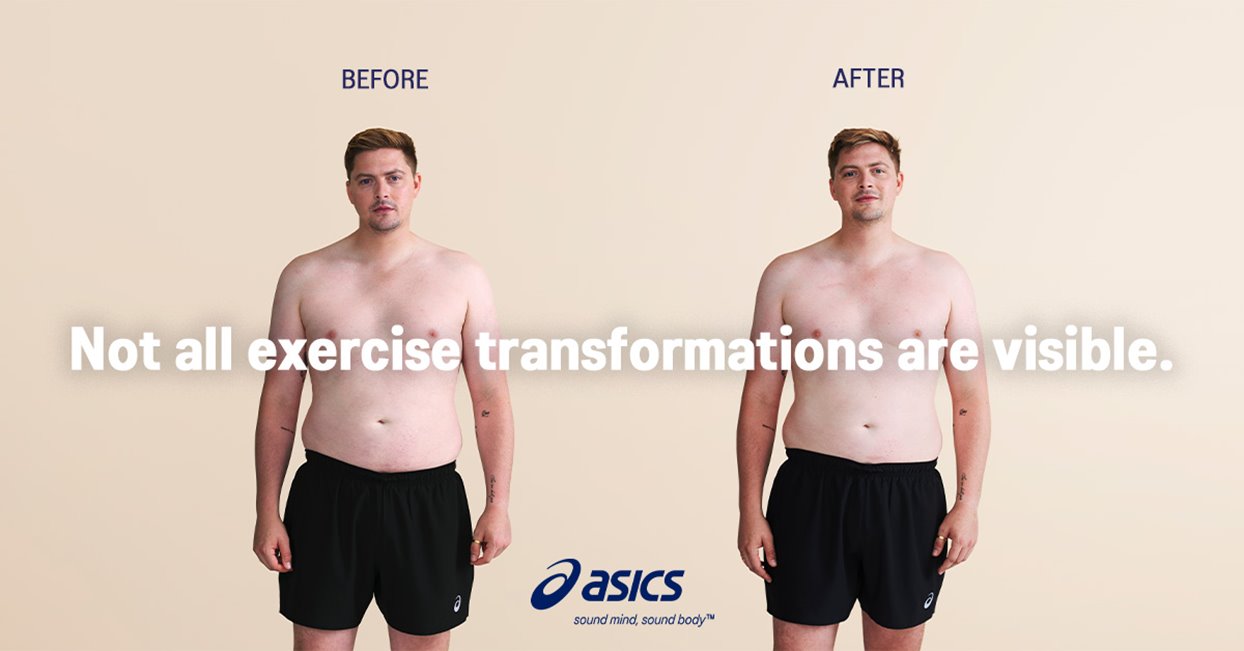
For example, campaigns like Mind's Best Friend (2025) and Dramatic Transformations (2022) have redirected conversations around exercise away from purely physical outcomes toward its emotional and psychological benefits, reflecting a more inclusive approach to campaigning.
Via YouTube
Via Famous Campaigns
Notably, the relationship between exercise and mental health is a commonality across ASICS' campaigns, demonstrating consistent brand messaging and values. This approach gives people something more meaningful to engage with rather than simply talking about the value of a product.
In doing so, ASICS' campaigns generate social commentary and connect to people because they step into discourse that's already happening and contribute to them in a relevant way.
The success of these campaigns suggest that audiences are far more likely to respond to messaging that makes them feel understood, over messaging that makes them feel like they are being sold to. ASICS creates campaigns that feel like part of a larger cultural conversation — once you determine where your brand stands within that conversation, it becomes much easier to speak to the people who actually want to listen.
Did you enjoy this article? Let us know in the comments section below.
*Image courtesy of Canva and Facebook
**Information sourced from Famous Campaigns