From Checkers chicken controversies to proper criminal raids, Venelize de Lange from media update looks at how digital media news exposes high risk reputational issues for brands, demonstrating the importance of proactive media monitoring.
Brand reputation has always mattered, but it has never been as fickle as it is since social media entered the game. The rise of digital media laid the groundwork and social platforms have only heightened the speed and visibility of public reaction. Today, even a single customer complaint can pull a national retailer into the spotlight.
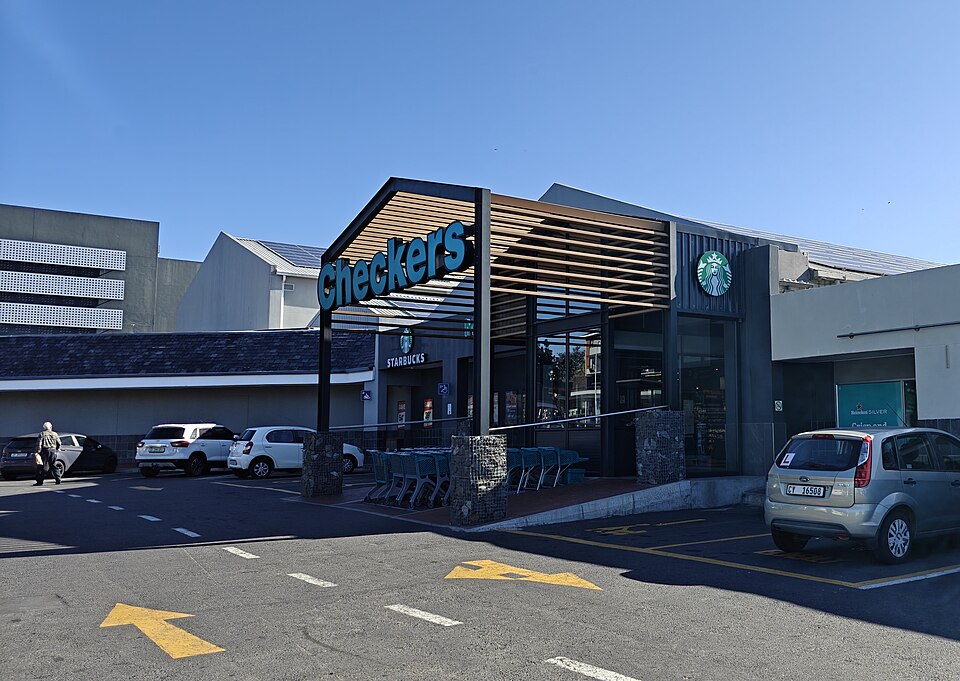
In fact, when Checkers pulled one of its own food products off the shelves early this March, it wasn't the result of any formal investigation.
Instead, the decision was prompted by a customer who weighed the contents of a pack of Ready to Braai Smokey Stuffed Chicken Breast and shared the results in a social media post, conveying their frustration that the product contained far more barbecue sauce than chicken.
This set the ball into motion and the story quickly brought Checkers' trust into question, effectively threatening their brand's public image.
Via Wikimedia Commons
However, Checkers is not the only South African brand grappling with their public reputation. The Riverside raid of a Newcastle sweatshop has brought several of South Africa's leading retailers under fire.
What began as a parliamentary oversight visit escalated when YouTube video footage exposed alleged labour violations in local textile factories, including extremely low wages and breaches of labour and safety laws.
Investigators found that these factories were producing and packaging clothing for major South African retailers such as Pick n Pay, Mr Price, Pepkor and Edgars. In response, the retailers denied knowingly working with these factories, emphasising their supplier codes of conduct and launched their own investigations.
However, once named, these brands became central to the story's public interpretation. The scandal had exposed systemic gaps in supply chain accountability, where unethical manufacturing can still exist despite formal compliance policies.
Via YouTube
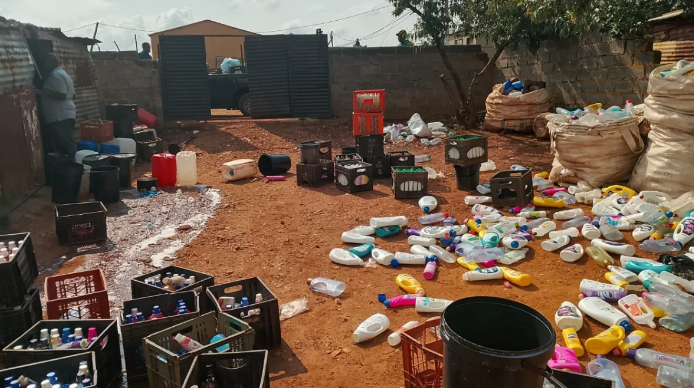
Some brands' reputations are even put at risk without them being implicated at all. South African authorities recently uncovered an illegal operation in Boksburg where criminals were manufacturing counterfeit household cleaning products and repackaging them into containers of well-known brands manufactured by Unilever and Colgate-Palmolive.
Here, the issue isn't corporate misconduct, but criminal activity. But, whether your brand's at fault or not, public perception is paramount in PR. The presence of these brand names within the criminal case shifts the focus from localised crime to a broader concern about product safety and consumer trust.
Via Business Tech
Across all three cases, the reputational risk presents itself when unmonitored incidents are transformed into PR disasters: a product discrepancy becomes a question of trust; a factory raid becomes a multi-brand reputational crisis; and a criminal operation becomes a question of market integrity.
What matters then, is not changing what has already happened, but tapping into how quickly and where it is visible so you know how to respond, and where.
The moment an incident is documented, circulated and interpreted across platforms, it is no longer contained. It has then become part of a wider media cycle, where it can be reframed and escalated.
This is why ongoing media monitoring (across news, social platforms and even broadcast) is so essential. It enables brands to understand where, how and why a story is being told, helping them to respond strategically — not to control the narrative, but to engage with the one that already exists and to shape it in their favour.
Did you enjoy this article? Let us know in the comments section below.
*Image courtesy of Canva and Facebook
**Information sourced from Business Tech, Northern Natal News and Business Tech